Tapped In and Tuned Out: The Hidden Science Behind Casino App Alerts That Keep Aussie Players Hooked
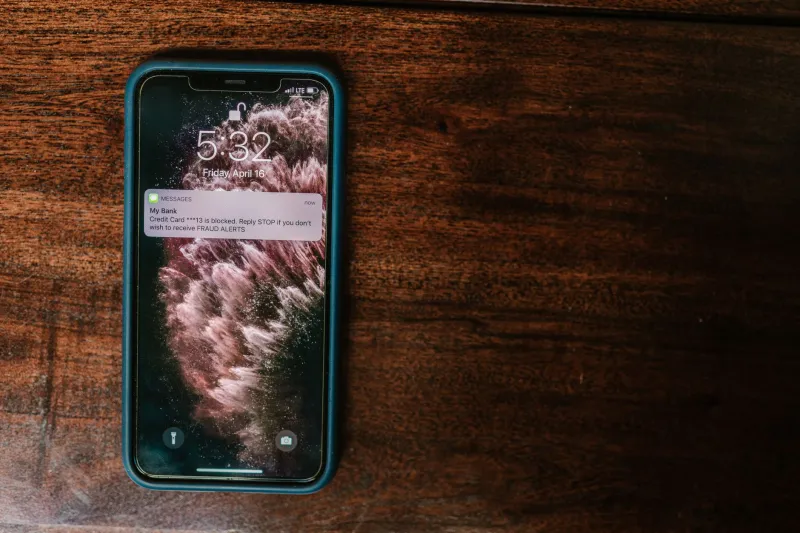
You're halfway through a Tuesday afternoon, maybe waiting for a mate to reply or killing time between meetings, and your phone buzzes. A little banner drops down: "Your free spins expire in 2 hours — claim now!" You weren't thinking about playing. But now you are.
That moment isn't random. It's engineered.
Instant-play casino apps have become remarkably good at one specific thing: getting you to open the app when you otherwise wouldn't have. The tools they use — push notifications, countdown timers, personalised reward alerts, even the humble app badge — draw from decades of behavioural psychology research. Understanding how that machinery works is the first step toward deciding when you actually want to play, rather than when your phone decides for you.
The Badge Is the Hook
Let's start with something deceptively simple: the app badge. That small number sitting on the corner of a casino app icon communicates urgency without saying a word. Psychologists call this an "incomplete loop" — our brains are wired to want to resolve open-ended signals, a phenomenon rooted in the Zeigarnik effect, which describes how unfinished tasks occupy more mental real estate than completed ones.
A badge doesn't tell you what's waiting. It just tells you something is. And that ambiguity is the point. Curiosity does the rest.
Combine that with a push notification — "You've got a personalised offer waiting" — and you've got a one-two punch that bypasses conscious decision-making almost entirely. By the time you've unlocked your phone to check, the app is already open.
Countdown Timers: Urgency by Design
If badges create curiosity, countdown timers create panic. Limited-time bonuses, expiring free spins, flash promotions with a ticking clock — these are all built around a well-documented psychological principle called loss aversion. Research consistently shows that people are more motivated to avoid losing something than to gain something of equivalent value.
A notification reading "Bonus expires in 90 minutes" isn't really about the bonus. It's about the discomfort of missing out. Australian players are especially familiar with this dynamic — it's the same energy as a Boxing Day sale countdown or a limited NRL merch drop. The mechanism is identical; only the product changes.
What makes casino apps particularly effective at this is timing. Many platforms track when individual users are most likely to be idle — commuting, on lunch, winding down after work — and schedule notifications to land in those windows. It's not a coincidence that your free spin reminder arrives right as you're sitting on the train home.
Personalisation: When the App Knows You Too Well
Modern casino apps don't send generic blasts to every user. They segment, they analyse, they personalise. If you've historically responded to pokies promotions more than table game offers, that's what you'll see. If you tend to return after a few days away, expect a re-engagement nudge right around that mark.
This level of personalisation makes notifications feel less like advertising and more like a mate tapping you on the shoulder. "Hey, we noticed you haven't played your favourite slot in a while — here's 20 free spins to come back." It's warm. It's familiar. It also knows exactly which lever to pull.
For players who've had a rough session, this is where things get genuinely tricky. Re-engagement campaigns often target periods of inactivity that follow a loss — a time when players may already be emotionally primed to chase that feeling back.
The Gamification Layer
Beyond standard notifications, many apps have layered gamification directly into the alert system itself. Progress bars, loyalty streaks, daily check-in rewards — these features create an obligation to return that feels less like marketing and more like a game mechanic.
"Log in 5 days in a row to unlock your bonus" is structurally identical to a Duolingo streak. The psychological pull is the same: breaking the chain feels worse than continuing it, even when continuing it costs you money. Once you've got three days in a row, that fourth notification lands with a lot more weight.
Some Australian-facing platforms have built entire daily challenge ecosystems into their apps — timed missions, leaderboard nudges, and reward unlocks that send alerts throughout the day. The effect is that the app becomes a persistent presence in your mental landscape, not just something you open when you choose to.
Vulnerable Moments and the Timing Problem
Here's the part that doesn't get talked about enough: notifications are designed to find you when your defences are down. Late at night, after a stressful day, during a boring stretch at work — these are the windows when impulsive decisions are most likely, and when push alerts are most effective.
Research on decision fatigue shows that our ability to evaluate choices rationally degrades throughout the day. A notification that arrives at 10pm — when you're tired, your willpower is spent, and you're already half-watching something on TV — is going to land very differently than the same message at 9am.
Casino apps know this. They don't send their biggest offers at 8am on a Tuesday. They find the softer moments.
Taking Back the Controls
None of this means you need to delete every casino app on your phone. But it does mean that passive engagement — opening the app because a notification told you to — is worth examining. Here are some practical ways Aussie players can reset the dynamic:
Turn off notifications entirely. This one's obvious, but most players never do it. Go into your phone's settings, find the app, and kill the alerts. If you want to play, you'll open the app on your own terms.
Set your own schedule. Decide in advance when you're going to play — maybe Friday night after dinner, or Saturday arvo. When you play by your own clock rather than the app's, you're making an active choice rather than a reactive one.
Use do-not-disturb windows. Most iPhones and Androids let you schedule quiet hours. Late evenings and early mornings are good candidates. This creates a buffer around your most vulnerable decision-making windows.
Check in with your reason. Before opening the app in response to a notification, pause for five seconds and ask: am I opening this because I want to play, or because the app told me to? That tiny gap is often enough to break the automatic response.
Review your notification settings monthly. Apps update, opt-ins change, and new alert categories get added. A regular audit keeps you in control of what's reaching you.
Play on Your Terms
Instant-play casinos are built for convenience — and that's genuinely a good thing. Being able to jump into a session when you want, without planning or travel, is a real benefit. The problem isn't the access; it's when that access starts being managed by an algorithm instead of your own preferences.
The notification system isn't there to improve your experience. It's there to increase session frequency. Understanding that distinction doesn't make you a cynic — it makes you a smarter player. And smarter players, as any good punter will tell you, tend to have a better time of it in the long run.
Your phone is in your pocket. Make sure you're the one deciding when to take it out.