Before You've Even Placed a Bet, You've Already Lost the Plot
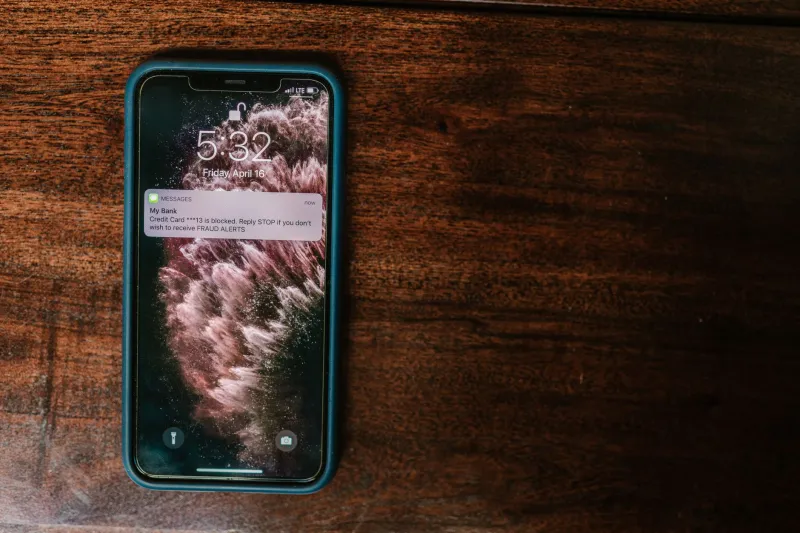
Here's something worth sitting with for a second: the most consequential decision you make during any casino session probably happens before a single game loads. It happens before you've checked your balance, before you've browsed the promotions, before you've even thought about which game to open.
It happens the moment your thumb finds that app icon.
For most of us, that tap feels like nothing. It's automatic. You're bored on the train, waiting for your mate to show up at the pub, or lying on the couch with the telly on in the background. The app is just there, and your hand moves before your brain catches up. That's not an accident — and understanding why it happens the way it does might genuinely change how you approach instant-play gaming.
The Friction That Used to Protect You
Cast your mind back to what gambling looked like for your parents' generation. You had to get in the car, drive to the club or the casino, find a park, walk through the door, maybe wait for a machine. Each one of those steps was friction — a small, almost invisible speed bump that gave your brain a moment to check in with itself.
Do I actually want to do this right now? Have I got the cash for it? Is this the right time?
Nobody was consciously running through those questions, but the physical effort involved created natural pause points. You arrived at the pokies having made a series of small, active choices to be there.
Instant-play apps have stripped all of that away. And while that's genuinely brilliant for convenience — which is kind of the whole point of a platform like this one — it also means you've lost those natural checkpoints. The gap between impulse and action has collapsed to almost nothing. One tap, and you're in.
What Behavioural Science Actually Says About This
Psychologists who study habit formation have a concept called the intention-action gap — the space between wanting to do something and actually doing it. For most behaviours, this gap is where we exercise judgment. We weigh up whether we're in the right headspace, whether the timing makes sense, whether we've got the resources.
But here's the thing: when an action becomes effortless enough, it starts to bypass that gap almost entirely. It stops being a decision and starts being a reflex.
Researchers studying digital behaviour have found that reducing the steps required to perform an action dramatically increases how often people do it — and crucially, how little they think about it before they do. This is why app designers obsess over what they call "onboarding friction." Every extra tap, every loading screen, every form field slightly reduces engagement. Remove them, and usage goes up.
For a shopping app or a streaming service, that's mostly harmless. For a gambling platform, it carries a different kind of weight.
The Habit Loop You Didn't Agree To Join
Habit formation follows a pretty well-documented loop: cue, routine, reward. The cue triggers the behaviour, the behaviour delivers some kind of reward (even a small or inconsistent one), and over time the brain starts to automate the whole sequence.
With instant casino apps, this loop can establish itself faster than you'd expect. Boredom becomes a cue. Opening the app becomes the routine. The buzz of a quick session — win or lose — delivers enough neurological reward to reinforce the pattern. Before long, boredom doesn't just make you reach for your phone. It makes you reach for that specific app, almost without thinking.
This is the part that catches a lot of Australian players off guard. They don't think of themselves as habitual gamblers. They think of themselves as occasional players who sometimes open the app when they've got a spare moment. But if opening the app is no longer a conscious choice — if it's just what your hand does when you're bored or stressed or waiting — then the habit has already formed, regardless of how often it happens.
Why 'Just Having a Look' Is Rarely Just That
There's a particular phrase that comes up a lot when Aussie players talk about their sessions: I was just having a look. Just checking what promos were on. Just seeing if there were any new games. Just loading it up to see how it felt.
The problem is that once you're in, the same design principles that made the app so easy to open make it equally easy to start playing. The games are right there. The deposit button is a tap away. The free spins offer is sitting in your notifications. The path of least resistance runs straight through your wallet.
Research into digital gambling behaviour suggests that a significant proportion of unplanned sessions start exactly this way — not with a decision to gamble, but with a decision to look, which quietly becomes the same thing.
Reclaiming the Pause
None of this means instant-play gaming is something you need to avoid or feel guilty about. Plenty of Aussies enjoy regular, well-managed sessions without it becoming a problem. But enjoying it well means being deliberate about it — and that starts before you open the app.
A few things worth trying:
Move the app off your home screen. This sounds almost laughably simple, but putting even one extra step between you and the app is enough to interrupt the automatic tap. If you have to go looking for it, you've created a moment to check in with yourself.
Set a session intention before you open it. Decide in advance how long you want to play, roughly how much you're comfortable spending, and what kind of headspace you're in. If you can't answer those questions clearly, that's useful information.
Notice the cue. What usually triggers you to open the app? Boredom? Stress? A particular time of day? Awareness of the cue is the first step to making the response a choice rather than a reflex.
Use built-in tools. Most reputable instant-play platforms offer deposit limits, session reminders, and cool-off options. These aren't just for people with serious problems — they're genuinely useful for anyone who wants to stay in control of how they play.
The Tap That Matters Most
Instant casino gaming is, at its best, a genuinely fun and convenient form of entertainment that fits neatly into modern Aussie life. But the same features that make it so accessible can quietly shift it from a leisure activity into an automatic response if you're not paying attention.
The most important moment in any session isn't the big bet or the near miss or the bonus round. It's that first tap — and whether or not it was actually a choice.
Make it one.